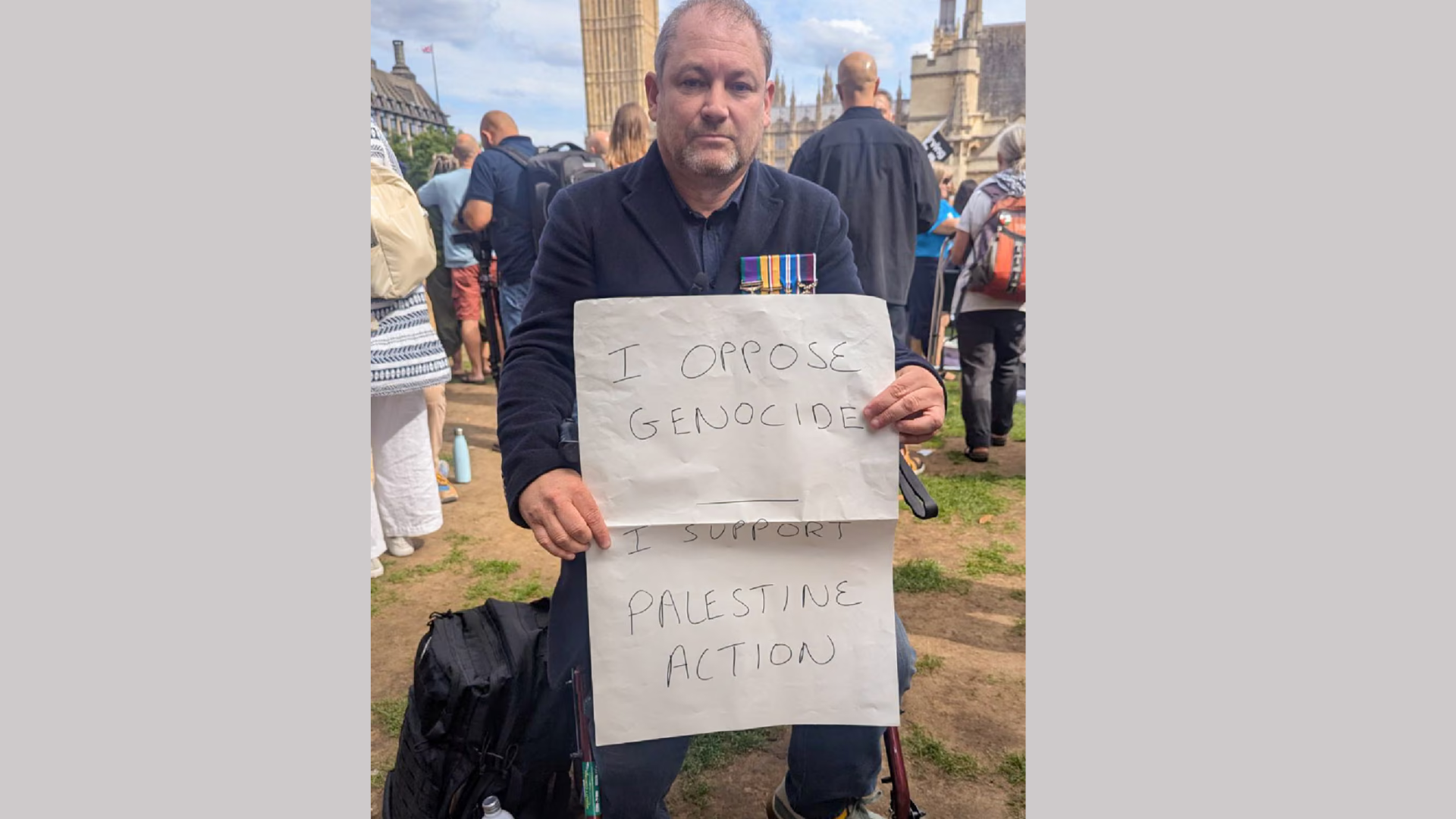
During a dramatic weekend in London, over 425 individuals were arrested when protesters defied a government ban on protests organized by Palestine Action. The city was awash with police as activists came together in defiance of orders, triggering one of the biggest mass arrests in years. The event highlights the increasing tension between authorities seeking to maintain order and citizens insisting on the right to protest solidarity with Palestine.
The Scale of the Arrests
Based on official data made public late Sunday, more than 425 people were arrested by police, charged with anything from illegal assembly to disruption of public order. Most of the demonstrators came ready for peaceful resistance, knowing full well that arrests were inevitable. Their aim, as many of the organizers explained, was to highlight what they see as British involvement in the conflict by upholding weapons trade relations and political allegiance with Israel.
Why the Ban Was Imposed
The Home Office had banned Palestine Action meetings in advance earlier in the week, citing intelligence reports of possible disruption to essential infrastructure and public transport. Authorities claimed that the protests threatened public safety and the risk of violence with counter-demonstrators. Civil rights organizations condemned the ban, describing it as an unprecedented move undermining the democratic right to protest.
Legal analysts added that although the government does have the power to limit assemblies for exceptional occasions, blanket bans are not common. “What we are seeing here is the wearing away of civil liberties on the pretext of security,” observed a barrister who deals with human rights law.
Protesters’ Perspective
In defiance of the prohibition, protesters converged on various sites, including Trafalgar Square, Westminster, and outside major government buildings. The mood was tense but mostly calm. Protesters waved placards calling for an end to arms sales and chanting slogans of support for Palestinians.
One protester, who would only provide her first name, Layla, said: “We knew we might get arrested, but silence is not something we can have when people are being killed. If the government believes it can silence us by banning us, it’s mistaken. We are not criminals—we are citizens demanding justice.”
Social media was filled with live videos of the protests, featuring rows of police in riot gear making cordons as protesters sat on the ground with arms around each other. There were several videos depicting “Free Palestine” chants ringing through central London streets as people were arrested.
Police Response and Criticism
The Metropolitan Police labeled their behavior as proportionate and necessary. “Our concern was to keep London safe and avoid serious disruption,” the spokesperson stated. The officers were used in quantities, with some reports indicating the availability of over 2,000 police throughout the city.
Nevertheless, civil liberties groups criticized the extent of the arrests. Bodies such as Liberty and Amnesty International UK contended that large-scale detentions of peaceful protesters equate to criminalizing dissent. “What we witnessed today is a troubling increase in the policing of protest,” a spokesperson for Amnesty said. “Peaceful civil disobedience should never be responded to with large-scale arrests.”
Broader Political Context
The detentions follow increased controversy in Britain surrounding the nation’s involvement in the Israel-Palestine conflict. Demands that the government stop arms sales to Israel have become more vociferous as reports of civilian deaths increase. Meanwhile, opposition parties accused the Conservative government of stifling protest groups, pointing to new legislation that provides police with greater powers to restrict demonstrations.
Palestine Action, the organisation at the centre of the row, has become well-known in recent years for direct action campaigns against defence companies. Their methods, which sometimes involve causing damage to property, have resulted in several prosecutions, but also generated controversy around the boundary between protest and crime.
What Happens Next
With hundreds to face charges, the courts now expect a backlog of cases. Detainees’ lawyers have already said that they plan to contest the legality of the arrests on grounds that the prohibition itself might have been illegal. Successful challenges would set a precedent for future demonstrations.
At the same time, activists promise that the crackdown will make them even more determined. “You can arrest us in hundreds, but not shut up the demand for justice,” declared one organizer at a press conference after being released.
The London mass arrest represents a pivotal point in the ongoing confrontation between state power and street activism. While the government purports its action as protection of public order, the protesters and civil rights groups view them as part of a larger effort to quell dissent. As the legal battles play out and public debate heats up, this weekend’s events will be recalled not just for the arrests but also for setting into motion critical questions regarding the future of the right to protest in the United Kingdom.