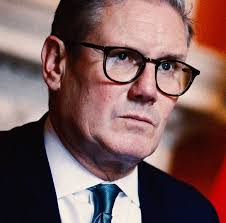
Keir Starmer’s Government at One Year: From Hope to Headache
The Weight of Expectations
On July 5, 2024, Keir Starmer walked into Downing Street on a wave of optimism and promise. After 14 years of Conservative rule, Britain was ready for change, and Labour’s landslide victory reflected a public hungry for transformation. Yet, just 12 months later, that momentum has stalled.
Public confidence is faltering. Starmer’s approval ratings are slipping. Reform UK has overtaken Labour in some polls. And a party that once claimed the centre-left mantle finds itself confused about its direction, messaging, and leadership identity.
First-Year Fumbles: “It Wasn’t Supposed to Be This Way”
A Promising Start… Then Trouble
Labour’s early decisions seemed to indicate a government ready to act boldly. The national minimum wage was raised. Workers’ rights were bolstered. Railways were brought under public control. Even the long-promised VAT on private school fees was pushed forward.
But those achievements have been lost in a fog of missteps: a botched welfare bill, unpopular winter fuel cuts, and indecision around foreign aid spending. These policy U-turns weren’t just political embarrassments—they shook voter trust.
One senior minister put it bluntly:
“We promised change, but people aren’t feeling it yet. And they’re not in any mood to give us the benefit of the doubt.”
A Party Torn: Reform UK, The Left, and Starmer’s Identity Crisis
Trying to Be Everything to Everyone
Labour’s coalition spans progressive urban voters and more conservative working-class swing voters. But increasingly, neither camp is satisfied.
Many traditional Labour voters feel alienated by what they perceive as a rightward drift—an attempt to outflank Reform UK on immigration and crime. Meanwhile, progressives accuse the party of lacking bold ideas, especially on climate, social justice, and housing.
A senior MP summed it up:
“It’s the wrong approach. We should acknowledge concerns on small boats or cost of living, but offer our own answers—not try to ape Farage.”
From Competence to Confusion: Where Is Starmer?
“We Have Got to Get Him Off a Plane”
While Starmer is respected on the international stage—especially for his diplomatic ties with leaders including Donald Trump—he is noticeably absent at home. No. 10 aides admit he spends too much time overseas and too little time with voters, businesses, or even backbench MPs.
One frustrated insider remarked:
“We have got to get him off a f***ing plane.”
That disconnection is mirrored in the government’s communications strategy. For a leader once celebrated for methodical precision, Starmer now seems distant, uninspired, and unsure of how to connect emotionally with voters.
Strategists Pivot to “Fairness” as the Next Big Message
From ‘Modernise’ to ‘Fairness’: A Blairite Playbook?
Labour strategists are now pinning hopes on a new message: fairness. The word featured prominently in Starmer’s recent NHS speech and is expected to be the cornerstone of his autumn conference address.
The “fairness” strategy is designed to bridge divides across Labour’s wide base—appealing both to social liberals and economically anxious centrists. It’s meant to justify tough decisions (like taxing private schools) while also selling the softer, symbolic wins (such as investing in local parks or restoring public buildings).
But insiders warn it must be more than just branding.
“Until and unless people know what the point of this government is … nothing else will follow,” said one former Blair advisor.
Behind the Scenes: Who’s Really Running the Show?
The Morgan McSweeney Factor
Much of Labour’s internal discontent has focused on Starmer’s chief of staff, Morgan McSweeney, seen as the de facto decision-maker. Some MPs believe Starmer has become too reliant on his team, especially McSweeney, leading to a lack of personal conviction or clarity.
“He needs to get more of a grip,” one senior Labour figure complained. Another noted:
“He’s been dressed up in all sorts of incarnations that don’t fit him.”
That disconnect is feeding into wider concerns that Starmer—while diligent and well-meaning—has not yet defined what kind of leader he really is.
Course Correction or Terminal Drift?
Time for a Reset – Without Calling It That
No one in No. 10 dares use the word “reset,” but the government is quietly shifting into a “next phase.” This includes a more proactive media presence, closer engagement with MPs, and more visits to towns and cities outside London.
There is recognition that the Labour government still has time to turn the narrative. But there’s also fear: that if the disconnect continues, the 2029 general election could mirror 2015—when Labour failed to convince the country it had a compelling, coherent vision.
As one minister noted:
“Keir is a diligent and thorough person… But somehow in between those two moments—getting up and going to bed—something doesn’t quite connect.”
Can Starmer Still Deliver?
A Second Term? Maybe. But Not Like This.
Labour remains the largest party. Reform UK’s rise, while disruptive, may not sustain into a full general election. And Starmer still retains the image of a calm, competent administrator—especially compared to the chaos of previous Tory governments.
But political capital is eroding. Fast.
To win back trust, Starmer must do more than manage. He must lead. That means defining a vision, delivering results—and doing it in a way voters can feel in their everyday lives.