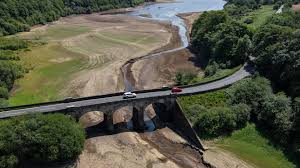
A Region Thirsting for Relief
After experiencing the driest spring in 132 years, Yorkshire is now officially under drought status, and the consequences are beginning to take shape. Yorkshire Water has announced a hosepipe ban effective from 11 July, affecting 5 million customers across Yorkshire, parts of Derbyshire, and north Lincolnshire.
With just 15cm of rainfall between February and June 2025—less than half the seasonal average—and reservoirs down to 55.8% capacity, the utility says action is “unavoidable.” What follows is not just a tale of vanishing water, but also of mounting political scrutiny, soaring bills, and an industry reckoning with accountability.
What the Hosepipe Ban Means
What’s Banned?
Starting Friday, residents in affected regions will be prohibited from using hosepipes for:
-
Watering gardens or lawns
-
Washing private vehicles
-
Filling domestic swimming or paddling pools
-
Cleaning patios, driveways, or other outdoor surfaces
What’s Still Allowed?
-
Buckets or watering cans filled with tap water
-
Commercial hosepipe use (e.g., for car washes or landscaping businesses)
-
Use of greywater or collected rainwater for domestic outdoor use
The ban aims to conserve dwindling resources as temperatures rise and rainfall remains stubbornly absent.
The Water Reality: Why This Ban Is Just the Beginning
Driest Spring in Over a Century
Yorkshire’s spring rainfall levels were the lowest recorded since 1893, driving the region into official drought status. Mark Lloyd, CEO of The Rivers Trust, warns that other regions may soon follow:
“Unless weather conditions change dramatically, we expect further hosepipe bans nationwide.”
The critical issue is water availability, especially in reservoir-reliant regions. While southeastern England is better positioned due to well-replenished aquifers, much of the north and Midlands remain highly vulnerable.
Ecological Red Flags: Rivers and Wildlife at Risk
Drought permits could allow Yorkshire Water to abstract more water from rivers, putting fragile ecosystems under strain. Most rivers across the UK—especially outside the northwest—are at exceptionally low levels, threatening fish, plants, and aquatic life.
“Further abstraction could lead to irreversible damage,” Lloyd cautioned.
Financial Fallout: Rising Bills and Public Backlash
While residents are being told to conserve water, consumer bills are set to soar. Yorkshire Water’s average household bill—currently £430/year—is projected to rise by 35% by 2030 as part of a national push to fund infrastructure upgrades.
At the same time, Yorkshire Water disclosed £84.1 million in internal dividends in the last financial year. Although these funds remained within the group, the optics have stirred discontent.
Executive Pay Under Fire: Bonuses Scrapped After New Labour Crackdown
Under Labour’s newly introduced Water (Special Measures) Act 2025, regulators now have the power to block bonuses for executives if water firms fail to meet environmental and financial performance standards.
This year, six major water firms—including Yorkshire Water—were barred from distributing executive bonuses.
Nicola Shaw, Yorkshire Water’s CEO, voluntarily refused her 2025 bonus, worth £371,000, acknowledging that:
“It would not be appropriate to accept it this year. We must do better on pollution and delivery.”
Her gesture, while symbolically important, follows intense public pressure after burst pipes disrupted supply for thousands last year—ironically, the same year she accepted a hefty bonus.
Public Outcry and Corporate Image at Risk
Consumer advocates and environmental groups have long criticised water companies for delaying hosepipe bans in previous droughts—allegedly to protect customer satisfaction scores, which impact regulatory ratings and executive pay.
Now, with Labour’s reforms linking bonus eligibility to performance, these dynamics are changing. The political message is clear: public service must come before profit.
What Comes Next: More Restrictions and Structural Reform?
Potential National Expansion
Yorkshire’s ban may signal a national domino effect. With northwest England already in drought status and much of the country classified as “prolonged dry,” water companies may soon be forced to follow suit.
The Environment Agency and Ofwat are now under pressure to enforce quicker action, particularly as abstraction risks grow and infrastructure remains outdated.
Calls for Public Ownership Resurface
The National Infrastructure Commission recently renewed calls for bringing water utilities into public ownership, citing recurring performance failures, excessive dividends, and public disillusionment.
The discussion around the privatisation of essential services—once seen as political taboo—is now firmly back on the table.
Takeaways for Business and Policy Leaders
-
Reputation is everything: Water companies can no longer afford to ignore climate signals or public scrutiny. Delayed responses will damage trust.
-
Accountability mechanisms matter: Tying executive compensation to real performance—not perception—may be the most significant regulatory reform in decades.
-
Climate adaptation must be fast-tracked: Businesses must anticipate prolonged drought conditions becoming the norm, not the exception.
-
Collaboration will be key: Government, regulators, and utilities must act in lockstep to avoid catastrophic shortages.
Yorkshire’s hosepipe ban is more than a regional water restriction—it’s a warning shot for Britain’s water future. As climate volatility increases, legacy infrastructure and private operators will be pushed to their limits.
With residents facing higher bills, limited water, and public trust eroding, water companies must deliver more than short-term compliance. They must show real, long-term commitment to environmental stewardship and public accountability—or risk losing the license to operate.